UNESCO's Recognition > Science > UNESCO Global Geopark
UNESCO Global Geopark
Malaysia is home to several UNESCO Global Geoparks, recognized for their exceptional geological heritage, rich biodiversity, and cultural significance. A UNESCO Global Geopark is a unified area that promotes the protection and sustainable use of geological resources while encouraging public awareness and education.
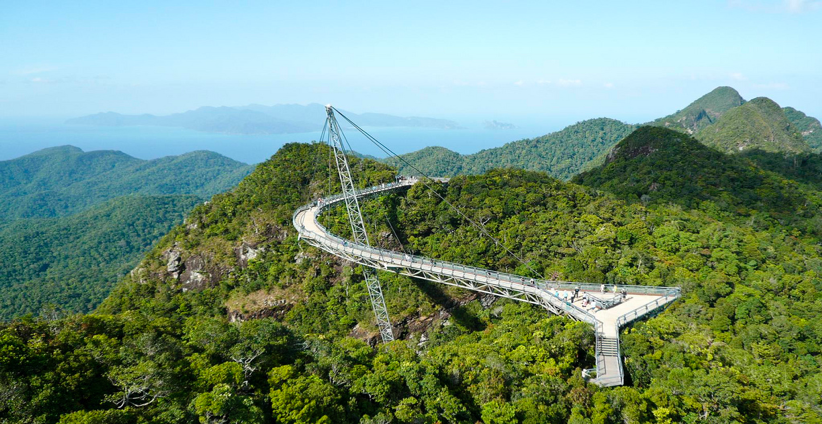
Langkawi UNESCO Global Geopark, Kedah (2007)
The first Global Geopark in Southeast Asia. Located in the northern State of Kedah, Langkawi is unique in that it was formed on 99 islands that together made up the legendary Langkawi Archipelago.
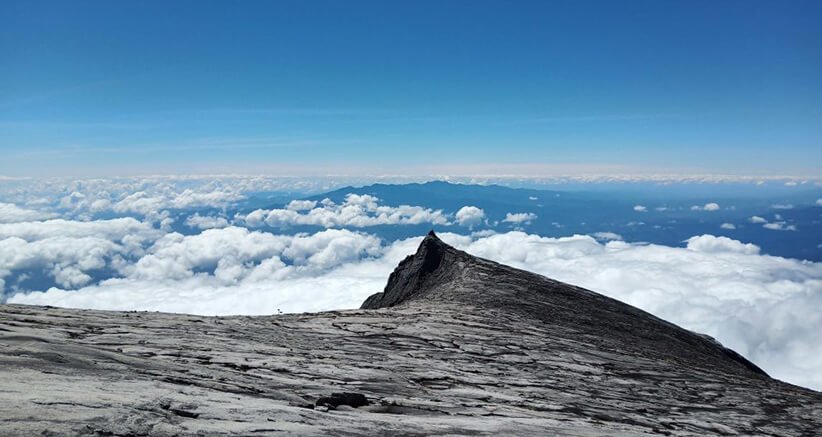
Kinabalu UNESCO Global Geopark, Sabah (2022)
Mount Kinabalu dominates this geopark in the State of Sabah, covering an area of 4,750 km². Sabah is now the only state in Malaysia that has been awarded the UNESCO’s Triple Crown site, which consists of the Kinabalu Park World Heritage Site, the Kinabalu UNESCO Global Geopark and the Crocker Range Man and the Biosphere Reserve Site. Malaysia is the third country in the world to receive this title.
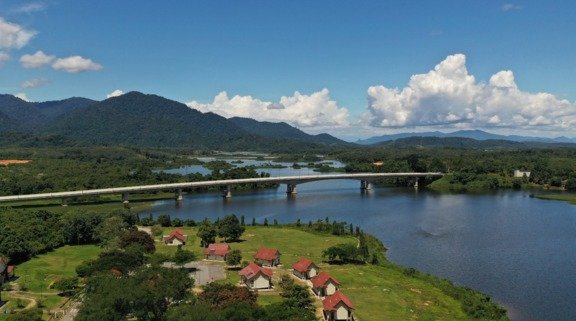
Lenggong UNESCO Global Geopark, Perak (2026)
Lenggong Geopark is a hidden gem in Hulu Perak, encompassing the sub districts of Kenering, Lenggong, Temelong, and Durian Pipit. This extraordinary region, shaped by the deposition of Sungai Perak, forms a valley nestled between two imposing granite mountain ranges—the Titiwangsa Range to the east and the Bintang Range to the west.
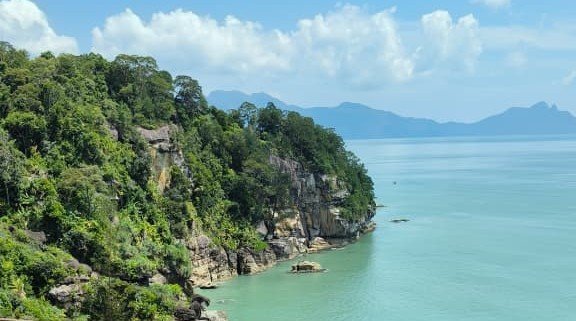
Sarawak Delta UNESCO Global Geopark, Sarawak (2026)
The Sarawak Delta UNESCO Global Geopark represents a geologically significant region that provides important evidence for understanding the formation and tectonic evolution of Borneo. Located in western Sarawak, the geopark is situated along the Kuching Zone suture, an ancient geological boundary formed more than 200 million years ago through the collision of prehistoric landmasses associated with the fragmentation of Gondwana.